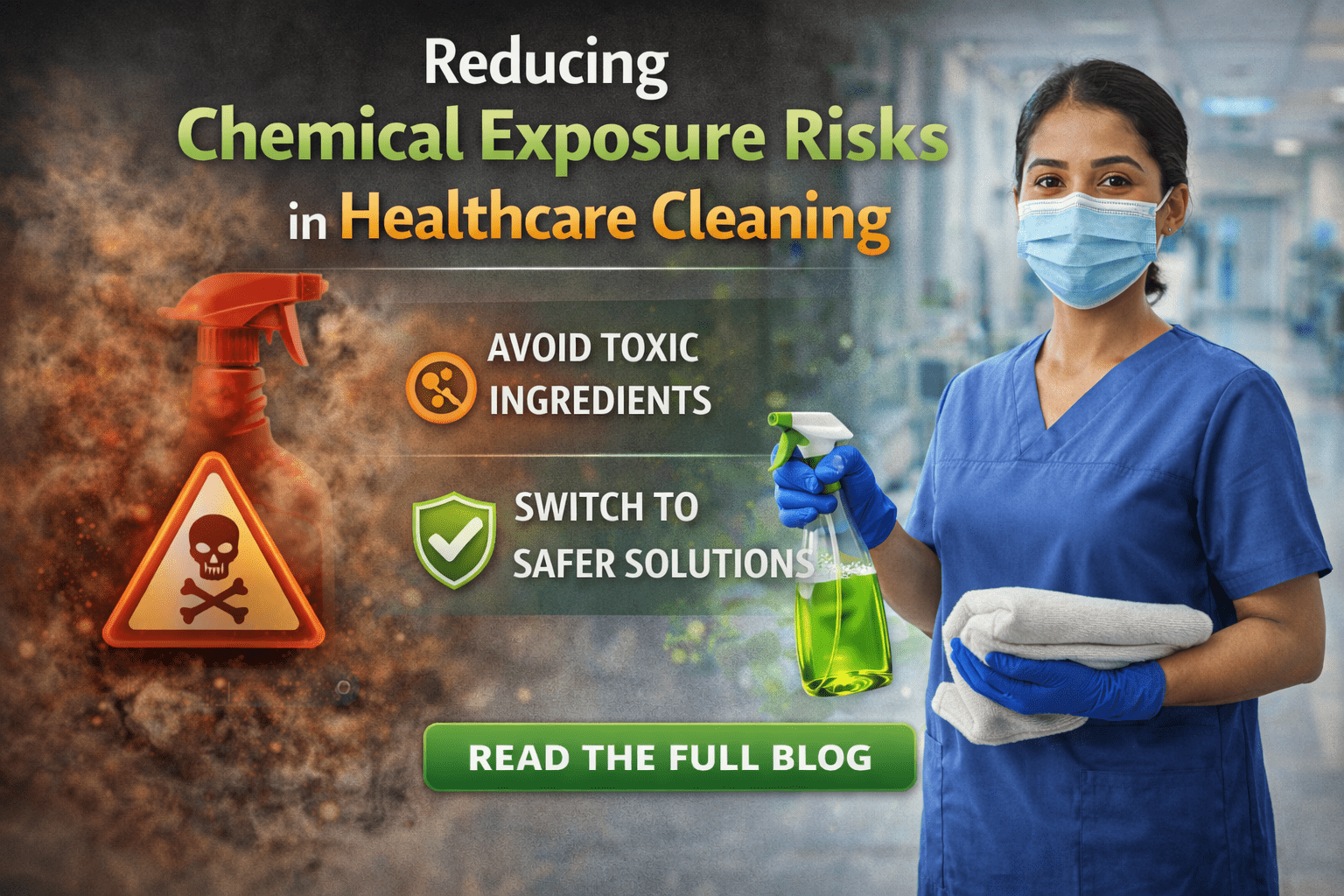
Healthcare facilities face a unique dilemma. To protect patients from infections, environmental services (EVS) teams must rigorously clean and disinfect every surface. However, the traditional chemicals used to achieve this sterility often introduce a new set of dangers. From respiratory irritants to skin burns, the daily use of aggressive cleaning agents poses significant health risks to the very people hospitals are meant to heal and the staff dedicated to their care.
Reducing chemical exposure is no longer just an environmental goal; it is a critical component of patient safety and occupational health. By re-evaluating cleaning protocols and shifting towards safer, non-toxic alternatives, healthcare administrators can maintain high infection control standards without the collateral damage of chemical toxicity. This transition creates a safer workspace, a healthier healing environment, and a more sustainable operational model.
Streamlining Chemical Management for Safety
In many hospitals, the janitorial supply room is a hazardous mix of solvents, bleaches, phenols, and quaternary ammonium compounds. Managing this complex inventory is a logistical nightmare and a safety hazard. The more chemicals staff have to handle, mixing and matching for different tasks, the higher the risk of accidental exposure, spills, or dangerous chemical reactions.
Implementing a consolidated green cleaning program dramatically lowers these risks. Modern green chemistry often utilizes multi-purpose formulations that can handle various cleaning tasks. from floors to glass to general surfaces. with a single, safer product. This simplification means staff handle fewer concentrated chemicals, reducing the likelihood of errors. It streamlines training, ensuring that EVS teams are confident and safe in their daily routines, rather than navigating a minefield of hazardous substances.
Preserving Medical Assets and Infrastructure
The aggressive nature of traditional disinfectants does not just harm people; it wreaks havoc on the facility itself. Harsh alkalis and acids can pit stainless steel, crack the plastic casings of expensive diagnostic equipment, and degrade the protective coatings on flooring. This chemical wear and tear leads to the premature failure of assets that cost thousands of dollars to replace.
Switching to non-corrosive, neutral-pH facility care products is a proactive strategy for asset preservation. These advanced solutions are engineered to be tough on pathogens but gentle on materials. They effectively remove bio-burden and disinfect surfaces without compromising the structural integrity of medical devices or building finishes. By reducing chemical aggression, hospitals extend the lifespan of their equipment and maintain a pristine, professional appearance that instills confidence in patients.
Improving Indoor Air Quality for Vulnerable Patients
Indoor Air Quality (IAQ) is a vital sign for any building, but in a hospital, it is critical. Patients with compromised immune systems, asthma, or respiratory conditions are highly sensitive to airborne pollutants. Conventional cleaning products are a major source of Volatile Organic Compounds (VOCs), which hang in the air long after the cleaning is done, causing headaches, dizziness, and respiratory distress.
Reducing chemical exposure starts with the air we breathe. Adopting low-VOC or zero-VOC eco-friendly cleaning solutions eliminates these invisible hazards. Instead of masking chemical odors with artificial fragrances. which are themselves potential irritants. these products leave the air neutral and clean. This creates a respiratory-friendly environment that supports patient recovery and provides a safer, more comfortable workplace for doctors, nurses, and staff.
The ROI of Reducing Chemical Risks
While the primary motivation for reducing chemical exposure is health and safety, the financial benefits are equally compelling. A safer cleaning program delivers a strong Return on Investment (ROI) by mitigating costs associated with health issues and asset damage.
Lower Healthcare Costs for Staff
EVS workers have some of the highest injury and illness rates in the private sector, often due to chemical burns or respiratory issues. Safer chemicals mean fewer workers’ compensation claims, lower medical costs, and reduced absenteeism.
Extended Equipment Life
Replacing a cracked casing on a portable ultrasound machine or refinishing a chemically burned floor is expensive. Gentle cleaning agents prevent this damage, saving the facility significant capital over time.
Enhanced Reputation
Patients are increasingly aware of their environment. A hospital that smells fresh and clean, rather than like a chemical factory, scores higher on patient satisfaction surveys. This positive perception is invaluable in a competitive healthcare market.
Future-Proofing Compliance and Safety Standards
Regulatory bodies and healthcare accreditation organizations are raising the bar for safety. There is a growing focus on the “exposome”. the measure of all the exposures of an individual in a lifetime and how those exposures relate to health. As regulations regarding hazardous substances tighten, hospitals relying on old-school toxic cleaners may find themselves scrambling to comply.
Adopting a sustainable cleaning strategy now places a facility ahead of the curve. It demonstrates a commitment to Corporate Social Responsibility (CSR) and aligns with forward-thinking standards like the Green Guide for Health Care. By prioritizing the reduction of chemical risks today, hospitals future-proof their operations against stricter regulations tomorrow.
Conclusion
Reducing chemical exposure risks in healthcare cleaning is a necessary evolution. It shifts the focus from simply killing germs at any cost to creating a holistically safe environment. By embracing modern, non-toxic cleaning technologies, hospitals can protect their staff from occupational hazards, safeguard vulnerable patients from respiratory irritants, and preserve their valuable medical assets. It is a strategy where safety, sustainability, and superior cleanliness go hand in hand.
About Sanirite
At Sanirite, we redefine hygiene through eco-innovation. We deliver powerful, bio-based cleaning solutions powered by green chemistry to protect people, spaces, and the planet. We are your trusted partner in creating safer, more sustainable environments.
Frequently Asked Questions (FAQ)
Can sustainable products handle the cleaning demands of a busy luxury hotel?
Absolutely. Modern green cleaning products are engineered for high performance. They undergo rigorous testing to ensure they effectively clean and, where required, disinfect to the highest standards, meeting the demands of a high-traffic luxury environment.
Do green cleaners work on delicate and exotic materials found in luxury hotels?
This is one of their primary advantages. pH-neutral and non-corrosive green cleaners are specifically recommended for delicate surfaces like marble, limestone, unsealed wood, and brass, as they clean without causing chemical damage.
Will our hotel lose its signature "clean scent"?
The trend in luxury is moving away from artificial scents towards a neutral, fresh-air smell. Sustainable cleaners eliminate odor-causing bacteria rather than masking them. For hotels that desire a signature scent, it is better to use high-quality, natural essential oil diffusers separately from the cleaning process.
Is it difficult to train housekeeping staff on a new sustainable system?
The training process is generally simpler. Because sustainable systems often rely on a few multi-purpose products, there is less for staff to learn and a lower risk of error. The focus shifts from chemical management to cleaning technique.
How does sustainable housekeeping affect a hotel's brand perception?
It has a profoundly positive effect. It signals to guests that the hotel is modern, responsible, and genuinely concerned with their well-being. This can build powerful brand loyalty among a discerning and influential clientele.
Tags: sustainable housekeeping, luxury hotels, green cleaning hospitality, eco-friendly hotel supplies, guest wellness, hotel asset protection, sustainable hospitality practices