In a commercial kitchen, hygiene is absolute. The health of protector and the reputation of the business depend on maintaining an environment free from harmful protector. For years, the standard approach involved powerful, often toxic, degreasers and sanitizers. While effective, these traditional chemicals carry a significant risk of cross-contamination, where chemical residues can come into contact with food, creating a serious safety hazard.
The future of kitchen hygiene demands a more intelligent approach. It requires solutions that deliver uncompromising cleaning and disinfection without introducing chemical risks. This is where food-grade green chemicals are setting a new standard. These advanced formulations are specifically designed for use on food-contact surfaces, ensuring that kitchens are not only visibly clean but also verifiably safe. They represent a critical shift towards a sustainable model of hygiene that protects customers, staff, and the brand.
Simplifying Chemical Management in Commercial Kitchens
The chemical storage area in a typical restaurant kitchen is often crowded with a multitude of products: a heavy-duty degreaser, a surface sanitizer, a floor cleaner, and a separate stainless steel polish. This complexity creates enormous risk. In the high-pressure environment of food service, staff can easily grab the wrong bottle, potentially using a toxic industrial degreaser on a food preparation counter. Managing the safety data, training, and storage for this diverse chemical arsenal is a constant challenge.
Adopting a consolidated system built around food-grade green cleaning products is a more effective and safer strategy. Many modern food-grade chemicals are formulated as multi-purpose cleaner-sanitizers. This means a single, certified product can be used to clean and disinfect countertops, cutting boards, and kitchen equipment. This simplification reduces the number of hazardous chemicals on-site, minimizes the risk of cross-contamination, and makes staff training more straightforward and effective.
Protecting Expensive Kitchen Equipment
A commercial kitchen is a major capital investment. Stainless steel work surfaces, convection ovens, grills, and walk-in coolers are built to last, but they are not indestructible. Harsh, corrosive chemicals take a significant toll on this equipment. Aggressive degreasers can tarnish stainless steel, while chlorine-based sanitizers can corrode metal parts and fittings over time. This not only makes the kitchen look worn but can also create microscopic pits and cracks where bacteria can hide.
Food-grade green chemicals are designed to be powerful against grease and germs but gentle on surfaces. These pH-neutral facility care products effectively break down fats and proteins without chemically attacking the underlying material. This protects the finish on stainless steel, aluminum, and plastics, extending the life of expensive equipment. By preserving these critical assets, restaurants can reduce maintenance costs and maintain a professional, hygienic appearance.
Ensuring a Safe and Odor-Free Kitchen Environment
The air quality in a commercial kitchen directly affects the health and comfort of the staff who spend long hours working there. Traditional cleaning chemicals release high levels of Volatile Organic Compounds (VOCs), which can cause respiratory irritation, headaches, and other health issues. Furthermore, strong chemical odors can escape into dining areas, negatively impacting the customer experience.
Food-grade eco-friendly cleaning solutions are formulated to be low-VOC and are often free of harsh artificial fragrances. Instead of masking odors with perfumes, they eliminate the source by breaking down odor-causing bacteria. For example, cleaners based on stabilized hydrogen peroxide break down into simple water and oxygen, leaving no lingering chemical scent. This creates a safer, more pleasant working environment for kitchen staff and ensures that the only aromas reaching customers are those of delicious food.
The ROI of Certified vs. Counterfeit Green Products
For distributors and facility managers, the financial implications of choosing the right eco-friendly products are significant.
- The Hidden Costs of Greenwashing: Opting for a cheaper, uncertified “green” product often leads to higher long-term costs. Ineffective performance may require more product and labour to get the job done. Hidden corrosive properties can damage assets, and hazardous ingredients can lead to higher disposal fees and potential liability issues.
The Assured ROI of Certification: Investing in GreenPro certified products provides a guaranteed Return on Investment (ROI). These products are proven to perform effectively, often in concentrated formulas that reduce in-use cost. Their certified safety profile minimizes risks related to worker health, asset damage, and regulatory non-compliance, protecting the bottom line.
The ROI of Food-Grade Green Chemicals
For any restaurant or food service business, profitability is key. While some may perceive “green” products as more expensive, the Return on Investment (ROI) from adopting a food-grade green chemical program is substantial and multifaceted.
Reduced Risk of Foodborne Illness
The primary benefit is safety. By using chemicals certified as safe for food-contact surfaces, you dramatically reduce the risk of chemical contamination that could lead to foodborne illness, protecting both your customers and your brand from a devastating incident.
Improved Staff Health and Productivity
A kitchen free from harsh chemical fumes is a healthier place to work. This leads to fewer employee sick days, lower turnover rates, and a more focused, productive team.
Operational Efficiency
Consolidated, multi-purpose systems reduce inventory and simplify cleaning procedures. When combined with accurate dilution control systems, they also eliminate chemical waste, ensuring every drop is used effectively and driving down in-use costs.
Future-Proofing Your Kitchen’s Hygiene and Safety Standards
Food safety regulations are becoming increasingly strict. Health departments and global food safety initiatives are placing greater emphasis on preventing chemical hazards in addition to microbial ones. Kitchens that continue to rely on a patchwork of industrial-strength, non-food-grade chemicals may face compliance issues in the near future.
Implementing a sustainable cleaning strategy centered on certified food-grade green chemicals is a forward-looking decision. It ensures your operation complies with the highest current and emerging safety standards. It demonstrates a clear commitment to customer safety and corporate responsibility, building trust with patrons who are more conscious than ever about what they eat and the environments where it is prepared.
About Sanirite
At Sanirite, we redefine hygiene through eco-innovation. We deliver powerful, bio-based cleaning solutions powered by green chemistry to protect people, spaces, and the planet. We are your trusted partner in creating safer, more sustainable environments.
Conclusion
The future of kitchen hygiene is not about using harsher chemicals; it is about using smarter, safer ones. Food-grade green chemicals offer the perfect balance, providing powerful cleaning and disinfection while eliminating the risk of chemical contamination. By making the switch, food service businesses can protect their customers, safeguard their staff, preserve their valuable equipment, and build a resilient brand founded on an unwavering commitment to safety and quality.
Frequently Asked Questions (FAQ)
What does "food-grade" or "food-safe" mean for a cleaning chemical?
It means the product has been certified by a regulatory body (like the NSF) as safe for use on surfaces that come into direct contact with food. If trace amounts are accidentally left on a surface after rinsing, they will not cause harm.
Are food-grade cleaners as effective at killing germs as traditional sanitizers?
Yes. Certified food-grade sanitizers are required to meet strict efficacy standards, proving they can kill a high percentage of common foodborne pathogens like E. coli and Salmonella within a specific contact time.
Do we still need to rinse surfaces after using a food-grade sanitizer?
It depends on the product. Some food-grade sanitizers are “no-rinse” formulas, meaning they can be left to air dry after application. Always follow the manufacturer’s instructions on the product label.
Can these products effectively cut through heavy grease in a kitchen?
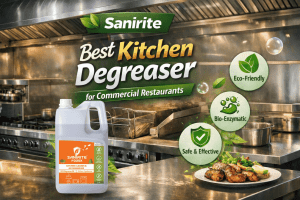
Absolutely. Modern food-grade degreasers use advanced surfactant technology to break down and lift heavy grease and carbonized soils without relying on toxic solvents or high alkalinity.
Will switching to food-grade green chemicals satisfy our health inspector?
Yes. In fact, it will likely be viewed very favorably. Using certified food-grade products demonstrates a proactive approach to food safety that goes beyond the minimum requirements, showing a deep commitment to preventing both microbial and chemical hazards.
Tags: food-grade green chemicals, kitchen hygiene, food-safe cleaners, commercial kitchen cleaning, restaurant safety, green kitchen solutions, non-toxic degreaser