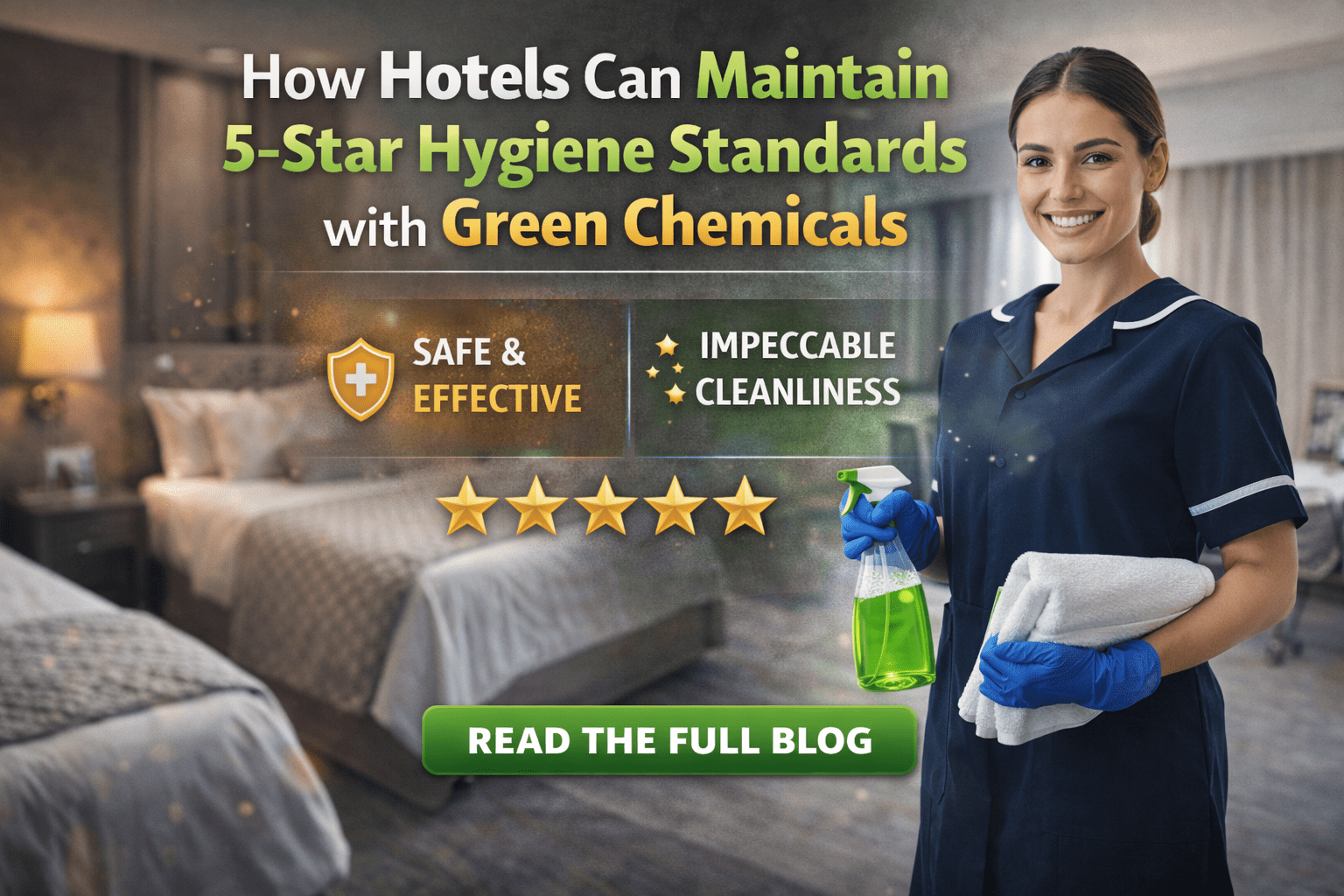
In the hospitality industry, cleanliness isn’t just a department; it is the product. A single negative review about a spotted carpet or a musty smell can tarnish a hotel’s reputation faster than any marketing campaign can fix it. For luxury hotels aiming for that elusive 5-star rating, the stakes are even higher. Guests expect pristine environments, but they are also increasingly conscious of environmental impact. This has created a unique challenge: how to achieve hospital-grade hygiene without the chemical harshness that offends guests and harms the planet.
The solution lies in a strategic shift toward green chemistry. Gone are the days when “eco-friendly” meant “less effective.” Today’s advanced bio-based cleaners and green technologies offer a way to maintain impeccable standards while enhancing the guest experience. By adopting sustainable cleaning protocols, hotels can protect their expensive interiors, improve air quality, and demonstrate a commitment to sustainability that resonates with modern travelers.
Streamlining Chemical Management for Housekeeping
Housekeeping departments in large hotels are logistical powerhouses, often managing hundreds of rooms with tight turnaround times. A common hurdle in these operations is the “chemical clutter” found on housekeeping carts. Staff might carry a dozen different bottles. one for glass, one for porcelain, one for wood, and another for sanitizing. This not only slows down workflow but increases the likelihood of misuse, such as using a bathroom cleaner on a marble vanity, causing irreversible damage.
Implementing a green cleaning program simplifies this chaos. By utilizing multi-surface, concentrated bio-cleaners, hotels can drastically reduce the number of products staff need to carry. A single, high-performance eco-cleaner can often handle glass, surfaces, and floors effectively. This streamlining reduces training time for new staff, minimizes the risk of chemical accidents, and frees up valuable storage space previously occupied by a vast inventory of toxic products.
Preserving Luxury Assets and Interiors
Hotels invest heavily in their physical assets. High-traffic lobbies feature marble floors, guest rooms have plush carpets, and bathrooms are fitted with expensive fixtures. Traditional industrial cleaners are often highly acidic or alkaline. While they clean effectively, they do so by microscopic abrasion. Over time, these harsh chemicals etch stone, dull chrome, and break down carpet fibers, leading to a “tired” look that necessitates early renovation.
To maintain a 5-star appearance, preservation is key. Facility care products formulated with neutral pH and bio-enzymatic technology clean by breaking down organic matter rather than burning it off. For example, enzyme-based cleaners can digest odors and stains in carpets without damaging the fibers or leaving sticky residues that attract more dirt. This approach extends the lifespan of the hotel’s most expensive assets, ensuring the property looks brand new for years longer than it would under a regime of harsh chemical cleaning.
Elevating the Guest Experience with Better Air Quality
The first thing a guest notices upon entering a room is the smell. Traditionally, a “clean” smell was associated with strong bleach or pine fragrances. However, for many modern guests, these heavy scents trigger headaches or allergies and signal the presence of volatile organic compounds (VOCs). In a 5-star setting, the best smell is no smell at all. just fresh, clean air.
Green chemicals are crucial for improving Indoor Air Quality (IAQ). Unlike conventional cleaners that release VOCs into the air, eco-friendly cleaning solutions are typically low-VOC or VOC-free. This is particularly important in guest rooms where windows may not open. By eliminating chemical pollutants, hotels create a hypoallergenic environment that allows guests to sleep better and wake up refreshed. This invisible luxury is a powerful differentiator in a competitive market where wellness tourism is on the rise.
The ROI of Green Housekeeping
There is a misconception among hotel general managers that sustainable products are a cost burden. When viewed holistically, however, green cleaning offers a compelling Return on Investment (ROI).
Efficiency and Cost Control
Using automated dilution control systems with concentrated green products prevents the “glug-glug” method of pouring chemicals, ensuring precise dosing every time. This eliminates waste and significantly lowers the cost-per-room cleaned compared to ready-to-use bottles.
Staff Retention and Safety
Housekeepers have one of the most physically demanding jobs in the hotel. Constant exposure to toxic fumes and skin irritants leads to health issues and high turnover. Switching to safer, non-toxic chemistries improves staff well-being, reducing sick days and workers’ compensation claims.
Marketing Advantage
Sustainability is a selling point. Corporate clients and event planners often prefer venues with green certifications. A robust sustainable cleaning strategy can be highlighted in marketing materials to attract eco-conscious business.
Future-Proofing Your Hotel Brand
The hospitality industry is facing increasing pressure from regulators and travel platforms to adopt sustainable practices. Many online travel agencies now label hotels as “Eco-Certified” or “Sustainable,” influencing booking decisions. Furthermore, legislation regarding plastic waste and chemical safety is tightening globally.
Hotels that cling to old-school cleaning methods risk falling behind the compliance curve and losing relevance with the next generation of travelers. Adopting a comprehensive green hygiene standard now is a strategic move to future-proof the brand. It signals that the hotel is modern, responsible, and cares as much about the planet as it does about its guests.
Future-Proofing Your Kitchen’s Hygiene and Safety Standards
Food safety regulations are becoming increasingly strict. Health departments and global food safety initiatives are placing greater emphasis on preventing chemical hazards in addition to microbial ones. Kitchens that continue to rely on a patchwork of industrial-strength, non-food-grade chemicals may face compliance issues in the near future.
Implementing a sustainable cleaning strategy centered on certified food-grade green chemicals is a forward-looking decision. It ensures your operation complies with the highest current and emerging safety standards. It demonstrates a clear commitment to customer safety and corporate responsibility, building trust with patrons who are more conscious than ever about what they eat and the environments where it is prepared.
About Sanirite
At Sanirite, we redefine hygiene through eco-innovation. We deliver powerful, bio-based cleaning solutions powered by green chemistry to protect people, spaces, and the planet. We are your trusted partner in creating safer, more sustainable environments.
Explore our sustainable solutions.
Conclusion
Maintaining 5-star hygiene standards doesn’t have to come at the expense of health or sustainability. By embracing green chemicals and modern cleaning practices, hotels can achieve outstanding cleanliness, preserve their luxury assets, provide a healthier stay for guests and staff, and strengthen their reputation with eco-conscious travelers. Investing in a sustainable cleaning program is not just a trend. it’s a long-term strategy for operational excellence and environmental responsibility.
Frequently Asked Questions (FAQ)
Can green chemicals really sanitize as well as bleach?
Yes. Modern green disinfectants, often based on hydrogen peroxide or other accelerated formulas, are EPA-registered to kill pathogens just as effectively as bleach, but without the corrosive side effects or toxic fumes.
Will switching to green cleaning disrupt our current operations?
The transition is usually seamless. The primary change is swapping out products. With proper training on dilution systems and application techniques, staff often find the new products easier and more pleasant to use.
Does sustainable cleaning help with hotel certification programs?
Absolutely. Using Green Seal or EcoLogo certified products contributes points toward LEED certification for buildings and is often a requirement for various eco-tourism labels.
Are these products safe for guests with severe allergies?
Generally, yes. Green cleaning products are formulated to be free of common allergens, synthetic fragrances, and harsh irritants, making them much safer for guests with sensitivities.
How do I handle the cost of switching inventory?
While there is an initial step of changing suppliers or systems, the reduction in product waste and the consolidation of inventory usually results in net savings within the first year of implementation.
Tags: green hotel cleaning, sustainable hospitality, eco-friendly housekeeping, hotel hygiene standards, bio-based cleaning products, luxury hotel maintenance